 Uncategorized
Why Walking Became the Most Important Part of My…
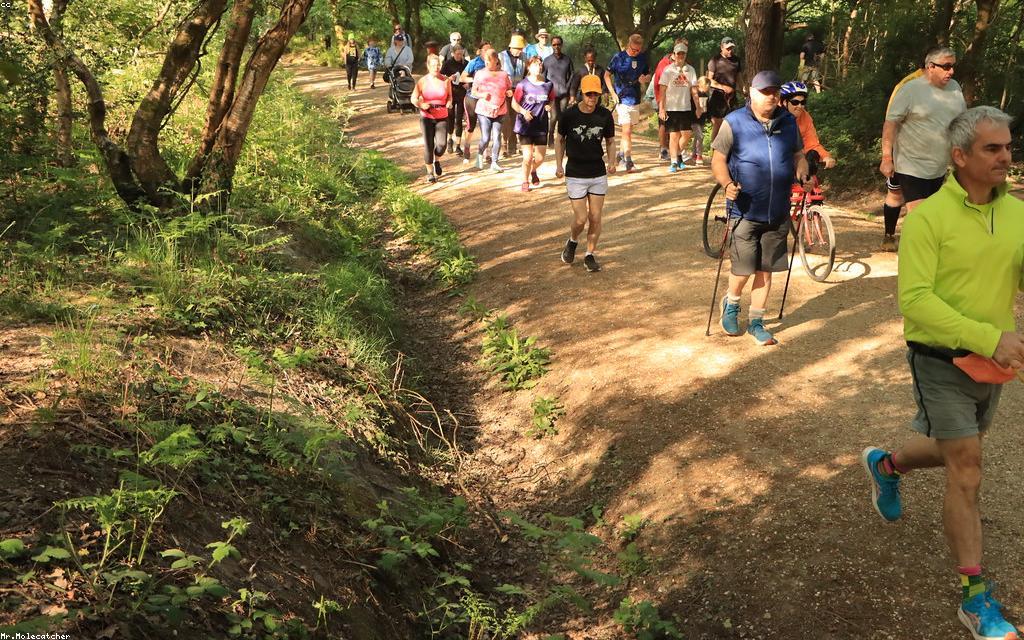
I did not set out to become a person who walks. I started walking because I was anxious and could not sit still, and the only thing that seemed to help was getting outside and moving until the worst of the feeling passed. What began as a reluctant coping mechanism has become, over several years, the steadiest and most valuable habit in my life. A daily walk has done more for my mind, my creativity, and my general sense of well-being than any other single practice I have tried.
The Surprising Power of Doing Almost Nothing
We live in a culture that treats every activity as something to be optimized, tracked, and made more efficient. Walking quietly resists all of this. It is slow, unproductive in any measurable sense, and gloriously low-tech. You cannot multitask your way through a good walk, and that is precisely its value. In a day filled with screens demanding constant input, an hour of simply moving through the world, looking at things, is a profound relief.
What I did not anticipate was how much mental work happens during this apparent idleness. Some of my clearest thinking arrives when I am not trying to think at all. Problems that felt impossibly tangled at my desk often untangle themselves around the second mile, when my conscious mind has relaxed its grip and the quieter, slower part of my brain finally gets a turn.
Walking as a Thinking Tool
There is a long tradition of thinkers who did their best work on foot, and after years of walking I understand why. The rhythm of walking seems to match the rhythm of thought. The steady pace, the gentle physical effort, and the changing scenery create a state that is alert but relaxed, focused but not strained. It is the opposite of the brittle, forced concentration of staring at a problem until it blurs.
I have learned to use walks deliberately for this. When I am stuck on something, I no longer push harder at the desk. I go for a walk and let the problem ride along in the back of my mind, and surprisingly often I return with the answer, or at least with a way forward that was invisible an hour earlier.
- Leave the headphones off sometimes. A silent walk lets your own thoughts surface in a way that constant audio drowns out.
- Walk without a destination. Aimless wandering frees the mind in a way that goal-directed walking does not.
- Bring a way to capture ideas. The best thoughts arrive unbidden and vanish quickly. I keep a note ready so I do not lose them.
The Physical Foundation
I do not want to overstate the spiritual benefits and ignore the obvious physical ones. Walking is the most sustainable form of movement I know. It asks for no special equipment, no gym membership, and no recovery days. It is gentle enough to do every single day, which means it actually gets done, unlike the ambitious exercise plans I used to abandon within weeks.
The consistency is what makes it powerful. A daily walk is unglamorous, but the compounding effect of moving my body every day, year after year, has done more for my health than any intense program I have ever started and quit. The best exercise is genuinely the one you will keep doing, and walking is almost impossible to quit because it asks so little and gives so much.
Walking as a Way of Seeing
Beyond the mental and physical benefits, walking changed how I relate to the place I live. When you move through a neighborhood at walking speed, you notice things invisible from a car or a screen. The small details of buildings, the changing of the seasons, the rhythms of a street at different hours, the faces that become familiar over time. Walking the same routes repeatedly gave me a deep, almost affectionate knowledge of my surroundings that I never had before.
This attention spilled over into the rest of my life. Practicing the simple act of noticing while walking made me more observant generally, more present, and more appreciative of ordinary beauty I used to walk right past. The walk became a daily lesson in paying attention.
Making It a Habit That Lasts
If you want walking to become a real part of your life rather than an occasional good intention, my advice is to attach it firmly to your existing routine. I walk at the same time most days, which removes the daily negotiation about whether and when. I also lowered the bar to almost nothing on hard days, telling myself I only have to walk to the corner, because once I am outside I almost always keep going.
Most importantly, I stopped thinking of walking as something I should do for my health and started thinking of it as something I want to do for the sheer pleasure of it. That reframing is what made it stick. A daily walk is not a chore on my list. It is the part of the day I look forward to, the hour that belongs entirely to me, the steady anchor that holds the rest of my life in place.