 Uncategorized
Decluttering Taught Me More About Myself Than About My…
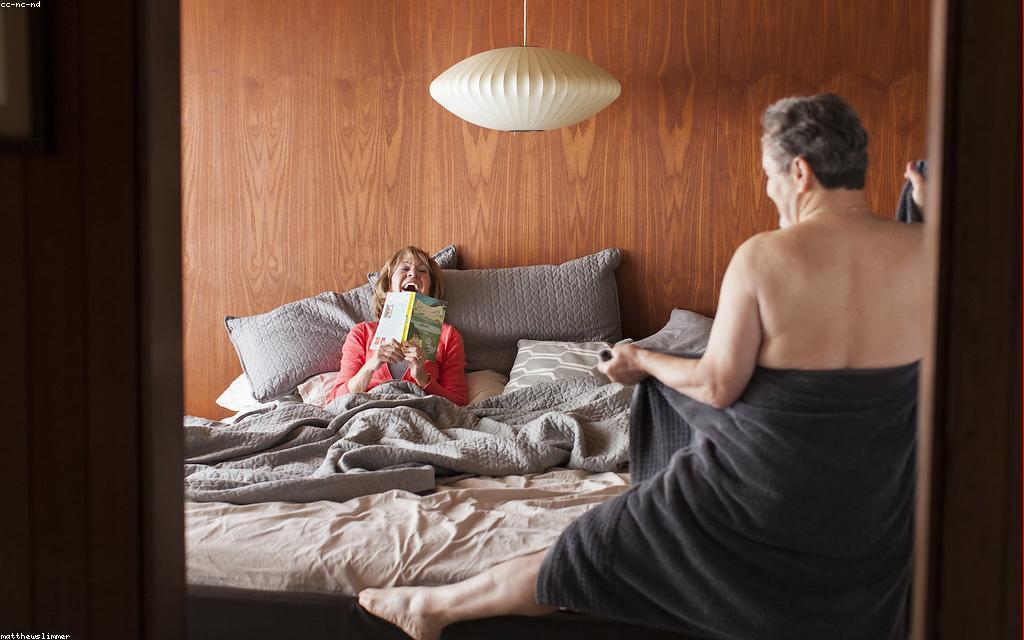
When I finally decided to confront the accumulated clutter of years, I expected a tidy home and little else. What I did not expect was that sorting through my possessions would turn into one of the most revealing experiences of my adult life. Every object I picked up asked a quiet question, and the answers, taken together, told me an uncomfortable but valuable story about who I had been, who I thought I should be, and who I actually wanted to become.
Why We Keep What We Keep
Most of the things I struggled to let go of had little to do with their usefulness. I held onto clothes I never wore because they represented a version of myself I aspired to be. I kept books I would never reread because getting rid of them felt like admitting I was not the kind of person who reads them. I stored gifts I did not like out of guilt, and broken things out of a vague sense that I might fix them someday. None of this was about the objects. It was about identity, obligation, and fear.
This realization reframed the entire project. Decluttering was not a logistics problem to be solved with better storage. It was a series of small confrontations with my own attachments, and the real work was emotional rather than physical.
The Questions That Actually Helped
The popular advice to ask whether an item sparks joy never quite worked for me, because plenty of useful, unjoyful things deserve to stay. I developed a different set of questions that cut closer to the truth.
- Do I use this, honestly? Not could I use it, or might I someday, but do I actually use it in my real life as it currently is.
- Am I keeping this for who I am or who I imagine I should be? Aspirational clutter is the heaviest kind, because letting it go means letting go of a fantasy.
- If I lost this in a move, would I replace it? Most things, I realized, I would never bother to buy again, which told me everything about how little they mattered.
- What is the real cost of keeping it? Every object takes up space, attention, and a small share of the mental weight of owning too much.
The Emotional Weight of Possessions
What struck me most was how physically and mentally heavy clutter actually is. A crowded space creates a low, constant background noise in the mind, a sense of unfinished business and slight disorder that you stop noticing only because it is always there. Clearing it out brought a relief that was almost physical, like setting down a bag I had been carrying so long I had forgotten its weight.
Letting go of certain items was genuinely hard, especially things tied to people or periods of my life that mattered. I learned to separate the memory from the object. The memory of a person does not live in a chipped mug they once gave me, and keeping the mug out of obligation honors neither them nor the memory. For the few things with real sentimental weight, I kept them deliberately and gave them a proper place, rather than letting them drown anonymously in a pile of everything else.
More on this topic can be found at TG88.COM.
Buying Less Once You Own Less
The most lasting effect of decluttering was on how I shop. After spending days sorting through the evidence of my own impulsive purchases, I lost most of my appetite for acquiring more. Every item I had struggled to discard was once something I happily brought home, which made me far more skeptical of the next thing I felt tempted to buy.
I started pausing before purchases and asking where a new item would actually live and whether I genuinely wanted to be responsible for it. This is not extreme minimalism, and I am not interested in owning as little as possible for its own sake. It is simply a more honest relationship with consumption, where I bring things into my life deliberately rather than accumulating them by default.
Living With Less, Intentionally
The home I live in now is not empty or austere. It is full of things I actually use and genuinely love, and nearly empty of things I keep out of guilt, fear, or fantasy. The difference in how the space feels is hard to overstate. It is calmer, easier to maintain, and far more clearly a reflection of who I really am rather than a museum of every version of myself I have ever imagined becoming.
If you are facing your own accumulated clutter, I would encourage you to treat it as more than a cleaning task. Pay attention to why each thing is hard to release, because those reasons reveal a great deal. The goal is not a perfectly minimal home or a particular aesthetic. The goal is to surround yourself only with things that earn their place, and in the process, to learn what you have been carrying and why. The lightness that follows is worth far more than the empty shelves.